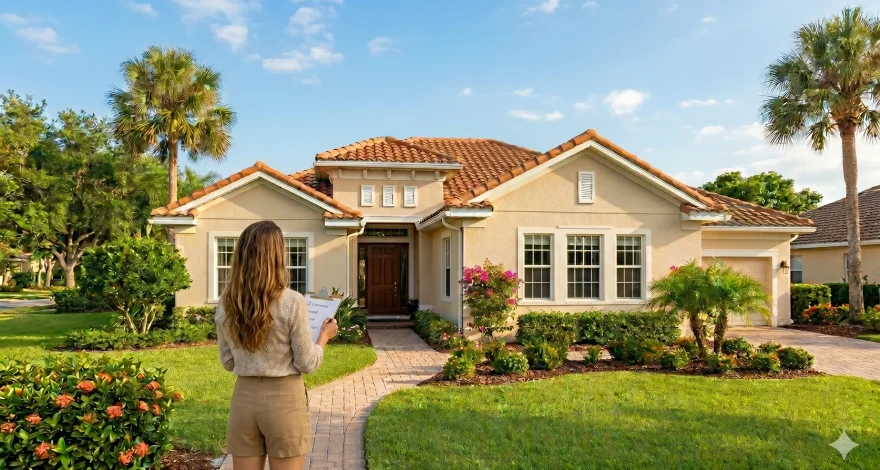
Spring in Florida isn’t just about warmer weather. For homeowners, it’s the most important window of the year — a brief, critical stretch between the last cold front and the start of hurricane season on June 1. Your spring home maintenance checklist for Florida homeowners isn’t optional. What you do — or don’t do — in these weeks has real consequences for your safety, your property, and your homeowners insurance coverage.
Here’s what many Florida homeowners don’t realize: your policy covers sudden, unexpected damage from wind, fire, hail, and lightning. What it doesn’t cover is damage caused by neglect, deferred maintenance, or gradual wear and tear. If an adjuster finds that missing shingles went unrepaired for months, or that a clogged gutter caused water intrusion, your claim can be reduced — or denied entirely.
Work through this checklist before June 1, and you’ll head into hurricane season with a stronger home and cleaner coverage.
Spring Home Maintenance Checklist: Roof and Exterior
Your roof is the single most important factor in Florida homeowners insurance. Carriers scrutinize roof age, condition, and material more than almost anything else when writing or renewing a policy. A roof over 15–20 years old can make you uninsurable with many private carriers — or push you onto Citizens as a last resort.
Spring is the time to get eyes on it. After months of UV exposure, afternoon storms, and occasional wind events, your roof may have issues you can’t see from the ground.
Roof and Exterior Checklist:
- Schedule a professional roof inspection. A licensed inspector documents condition, notes missing or lifted shingles, checks flashing around vents and skylights, and provides a written report you can share with your insurer or agent.
- Clean gutters and downspouts. Clogged gutters are one of the top causes of water intrusion claims in Florida. Make sure water drains away from your foundation, not toward it.
- Look for granule loss on shingles. Dark bare patches or granules collecting in downspouts mean shingles are aging and losing their protective coating.
- Inspect soffit and fascia for rot or damage. These areas are especially vulnerable to Florida’s humidity and are common entry points for water and pests.
- Trim overhanging branches. Any limb that can reach your roof in 100 mph winds is a liability. Have them cut back before storm season.
- Walk the full perimeter. Inspect stucco, siding, and masonry for cracks. Even small ones allow Florida’s driven rain to enter wall assemblies.
Insurance Tip: A wind mitigation inspection (separate from a general roof inspection) documents hurricane-resistant features of your home — roof shape, roof-to-wall connections, and opening protections. Homes with qualifying features can see premium discounts of 20–40% or more. Inspections typically cost $75–$150. Ask your Southern Oak agent whether your home qualifies.
HVAC, Windows, and Doors: Spring Checklist for Florida Homeowners
Florida’s heat is relentless from April through October. A failed AC unit isn’t just uncomfortable — it can lead to humidity-driven mold growth, which is both a health hazard and a potential coverage problem. Standard homeowners policies cover sudden AC damage from a covered peril like a lightning strike, but they don’t cover mechanical breakdown or damage from a clogged drain line you ignored for months.
Your windows and doors are your home’s storm armor. Properly sealed openings prevent the water intrusion that causes the majority of storm-related claims in Florida.
HVAC Checklist:
- Schedule annual AC service. A licensed HVAC technician should inspect refrigerant levels, clean coils, check electrical connections, and test the system before peak heat.
- Replace air filters. Florida’s humidity and dust load means filters need changing every one to two months during high-use season.
- Flush the condensate drain line. An overflowing AC drain pan is one of the most common causes of water damage in Florida homes. A simple diluted bleach flush every few months prevents it.
- Check ductwork for gaps or disconnections. Leaky ducts introduce moisture into wall cavities and reduce efficiency.
Windows and Doors Checklist:
- Test hurricane shutters or impact windows. Confirm shutters operate correctly now — not when a storm is 48 hours out and hardware stores are sold out.
- Inspect caulking and weatherstripping. Replace any cracked or missing caulk around window frames and door thresholds. This is your primary defense against Florida’s driven rain.
- Check garage door hardware and bracing. Garage doors are the most vulnerable opening on most homes during a hurricane. Inspect springs, tracks, and bracing, and confirm your door has a hurricane brace kit if required by code.
- Document your opening protections. Photographs of impact windows or shutter systems are valuable for your wind mitigation inspection and for any future claim.
Water, Plumbing, and Moisture Control
Water damage is the most common homeowners insurance claim in Florida — and most of it isn’t from hurricanes. It comes from plumbing failures, appliance leaks, and moisture buildup that go undetected until they become expensive problems.
The key policy distinction: sudden, accidental water damage (a pipe bursts, a hose fails) is typically covered. Gradual leaks that you knew about or should have caught generally are not. Spring is the time to find the slow leaks before they find you.
Plumbing and Water Checklist:
- Check washing machine hoses. Rubber supply hoses degrade over time and are a leading cause of water damage claims. Replace any hose over five years old with braided stainless steel.
- Inspect under sinks and around toilets. Look for staining, soft spots in flooring, or mineral buildup that signals a slow leak.
- Test your water heater. Look for rust, corrosion, or pooling at the base. Traditional tank heaters last 10–15 years and should be replaced before they fail, not after.
- Inspect refrigerator and dishwasher supply lines. Ice maker lines are a surprisingly common source of serious water damage. Replace plastic lines with braided steel.
- Consider a smart water leak detector. Sensors near appliances and under sinks can alert you — or automatically shut off your water — before a minor leak becomes a major claim.
Safety Systems, Exterior Structures, and Home Inventory
A well-maintained, well-equipped home presents less risk — and Florida carriers reward that with lower premiums. Smoke detectors, security systems, and documented belongings aren’t just safety features. They’re discount qualifiers and claim tools.
Safety and Interior Checklist:
- Test smoke detectors and replace batteries. Replace any unit older than 10 years. Florida code requires detectors on every floor and outside each sleeping area.
- Test carbon monoxide detectors. Especially important if you use a generator during storm outages.
- Check your fire extinguisher. Confirm the gauge is in the green, the pin and seal are intact, and the unit hasn’t expired.
- Inspect your pool screen enclosure. Torn panels, bent frame sections, and loose anchors are common claim sources in Florida storms.
- Schedule a termite and pest inspection. Florida’s termite pressure is among the highest in the country, and standard homeowners policies do not cover termite damage. A spring inspection is cheap insurance against a potentially devastating exclusion.
- Update your home inventory. Walk through your home and document your belongings on video or with photos, room by room. This is your most important tool if you ever need to file a personal property claim.
What Your Policy Covers — and What It Doesn’t
Understanding the line between covered damage and excluded maintenance issues helps you avoid surprises after a storm.
| Covered | Not Covered |
|---|---|
| Sudden wind, hail, lightning, fire damage | Damage from neglect or deferred maintenance |
| Accidental water damage (burst pipes, appliance failures) | Gradual leaks you knew about |
| Storm damage to a well-maintained roof | Damage worsened by pre-existing roof deterioration |
| Damage to screen enclosures and fences | Termite or pest damage |
Flood damage is not covered under a standard homeowners policy regardless of cause. It requires a separate flood insurance policy. Contact your agent to make sure your coverage is complete before hurricane season begins.
Spring Maintenance Can Lower Your Florida Homeowners Insurance Premium
There’s a direct connection between the condition of your home and what you pay for insurance. These maintenance investments have the biggest impact on Florida homeowners insurance costs:
- A newer roof (under 15 years) is the single biggest premium factor. Proactive replacement before a carrier non-renews your policy is often the financially smart move.
- Wind mitigation improvements — impact windows, reinforced garage doors, hurricane straps — unlock credits that can reduce your premium by hundreds of dollars annually.
- The My Safe Florida Home program offers free wind mitigation inspections and grants of up to $10,000 for eligible storm-hardening improvements. Ask your agent if your home qualifies.
- Updated smoke detectors, security systems, and monitored alarms may qualify for additional discounts with many carriers.
Complete Your Spring Home Maintenance Checklist Before June 1
Working through this spring home maintenance checklist for Florida homeowners before hurricane season isn’t just about protecting your property — it’s about protecting your coverage. A maintained home files fewer claims, keeps coverage active at renewal, and qualifies for more discounts.
If your home has changed since you last reviewed your policy — a new roof, renovations, updated systems, or new valuables — your coverage limits may no longer reflect what it would cost to rebuild today. With construction costs still elevated across Florida, being underinsured is a real and common risk.
A conversation with a local Southern Oak agent takes about 15 minutes and can confirm your coverage is complete, identify discounts you may be missing, and help you head into storm season with confidence.
Frequently Asked Questions
Does homeowners insurance cover lack of maintenance in Florida?
No. Florida homeowners insurance covers sudden, accidental damage from covered perils — wind, hail, lightning, fire, and certain water events. Damage caused by neglect, gradual deterioration, or deferred repairs is excluded. If an adjuster finds that a pre-existing maintenance issue contributed to your loss, your claim may be partially or fully denied. Keeping records of inspections and repairs — invoices, photos, and reports — is your best protection in a dispute.
What home maintenance lowers homeowners insurance premiums in Florida?
Roof replacement is the most impactful single factor. Wind mitigation improvements — impact windows, hurricane straps, reinforced garage doors — unlock specific premium credits under Florida law. A wind mitigation inspection ($75–$150) is required before those credits apply. The My Safe Florida Home program offers grants of up to $10,000 for eligible improvements. Monitored security systems and updated smoke detectors may also qualify for discounts with many Florida carriers.
Will my insurance be affected if I don’t maintain my roof in Florida?
Yes, significantly. Florida carriers closely scrutinize roof age and condition. A deteriorated or aging roof can result in claim denials, policy non-renewal, or a requirement to replace the roof before coverage continues. Many private carriers will not insure roofs older than 15–20 years, or will offer only actual cash value (ACV) rather than replacement cost on older roofs. A professional spring inspection and written report document your roof’s current condition for both maintenance and insurance purposes.
Does homeowners insurance cover water damage from a leaking AC in Florida?
It depends on the cause. Sudden, accidental water damage from an AC failure — such as a unit that unexpectedly overflows — may be covered. Water damage resulting from a clogged condensate drain line that went unmaintained over time is typically excluded as preventable. Flushing your AC drain line each spring and having the system serviced annually helps prevent this scenario and keeps you on the right side of your policy’s maintenance requirements.
Southern Oak Insurance Company | southernoak.com | 877-900-3971 | Protecting Florida Families for 20+ Years
This article is intended for general informational purposes. Coverage terms vary by policy. Contact your Southern Oak agent to review your specific coverage.